



- The coin
- The print
- Station I
- Station II
- Station III
- Station IV
- Station V
- Station VI
- Station VII
- Station VIII
- Station IX
- The end
What is money?
Money is a technological advancementof commerce
Nine stations, three minutes ten. From the first trade to a ledger nobody owns: the strangest thing we ever invented, and everything done to it since.
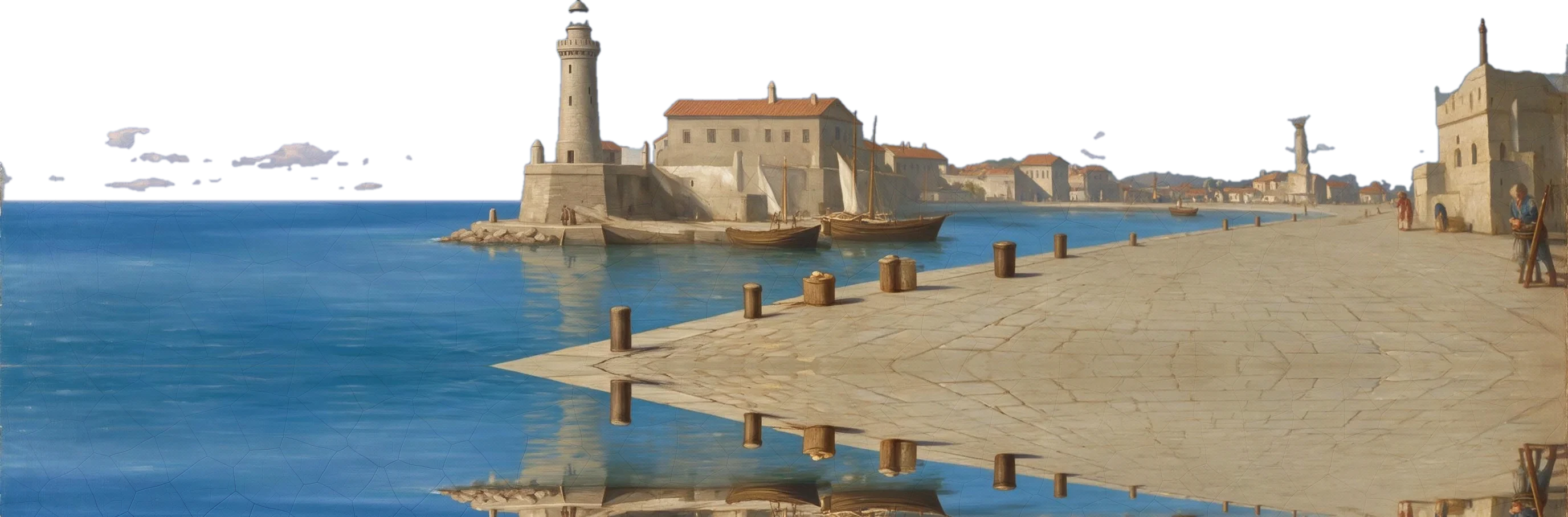
We traded what we had.
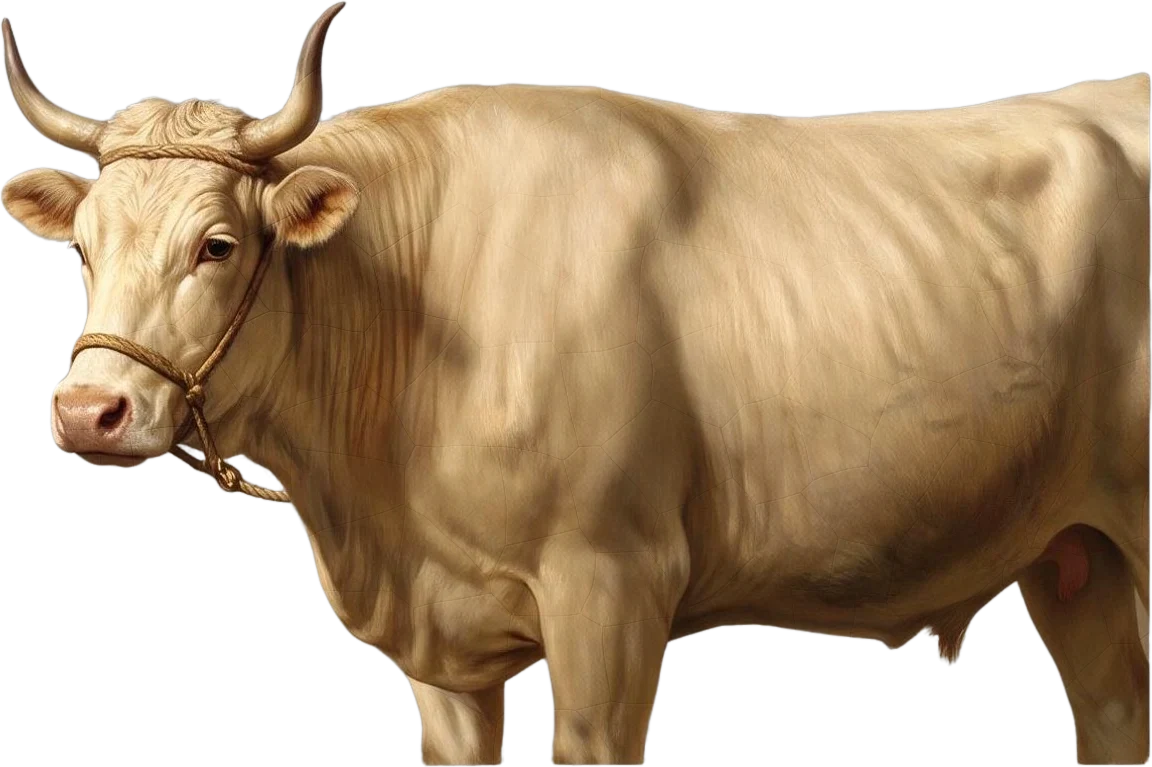
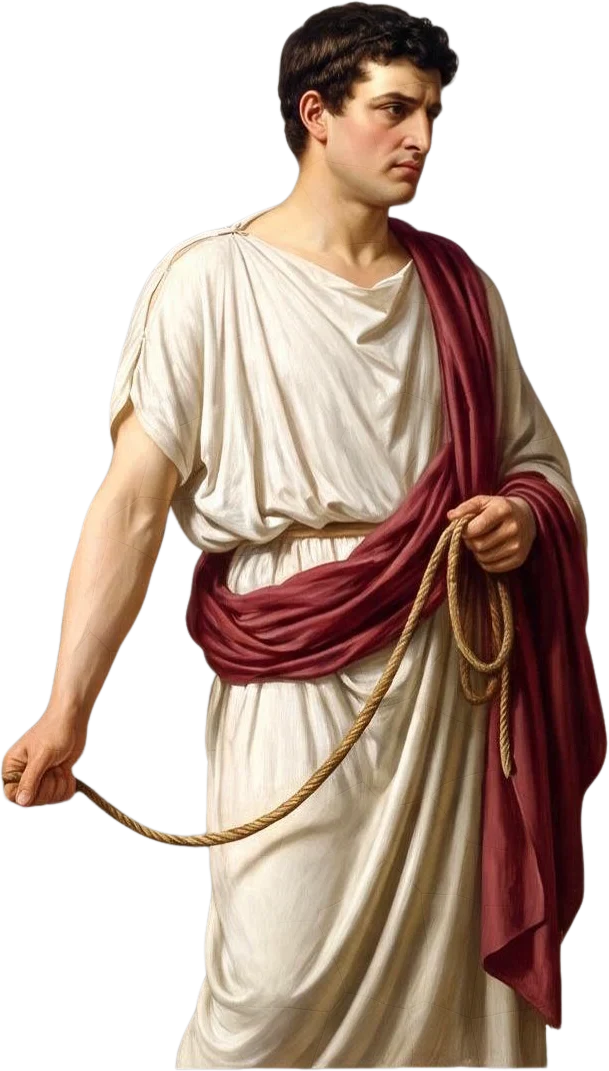
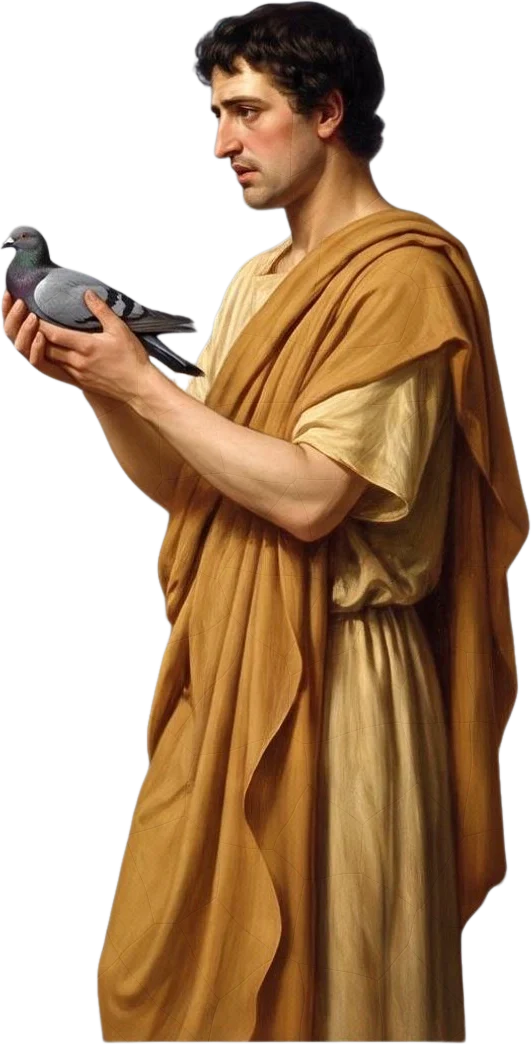
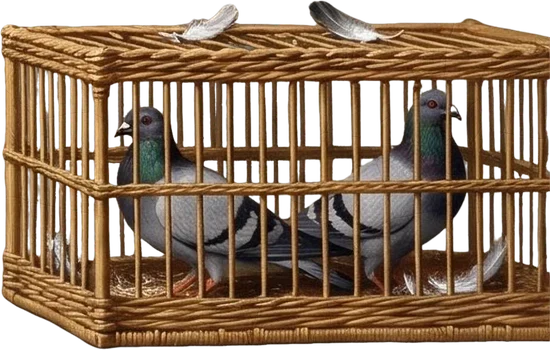
Land for cattle, cattle for pigeons. Nothing kept, nothing scaled.Barter needs two people who each want what the other holds, at the same hour, in the same place. Nothing could be saved, split, or carried far.
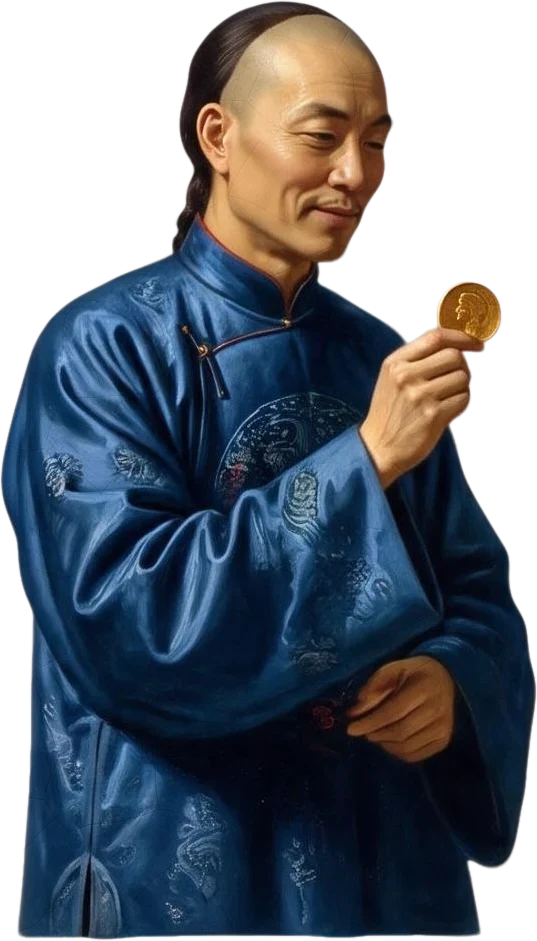
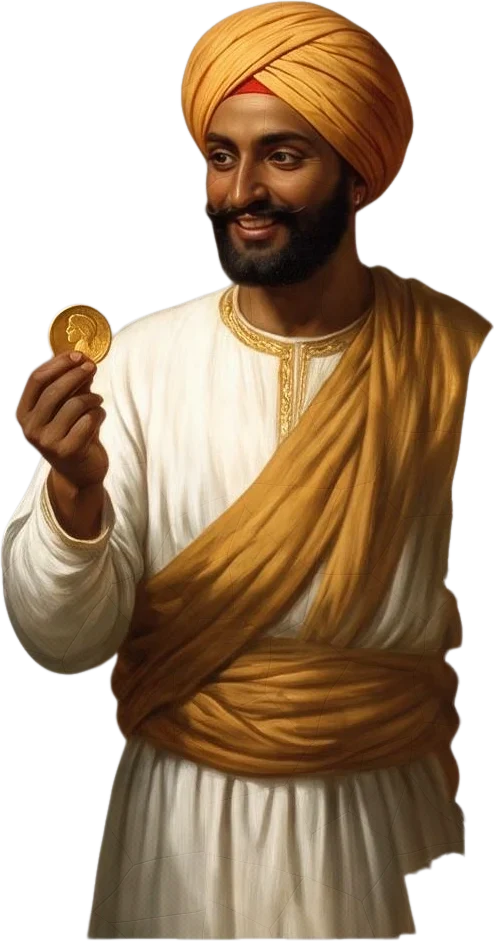
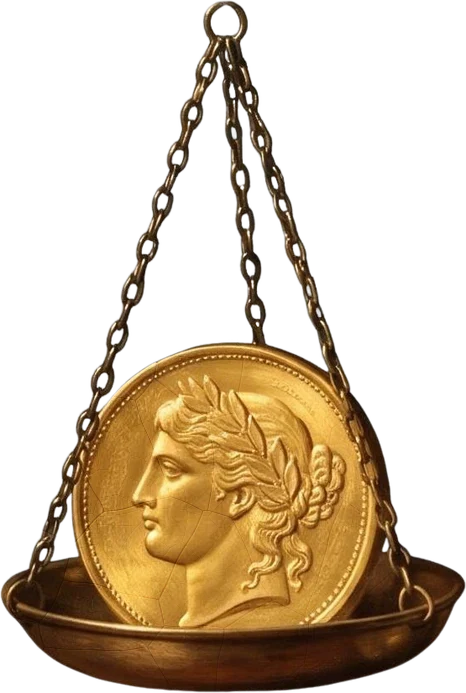
We agreed on gold.
Gold in China was gold in Paris. Wealth could wait.
Metal settled it: a weight of gold meant the same thing in every port. A price could travel, and a saving could wait.
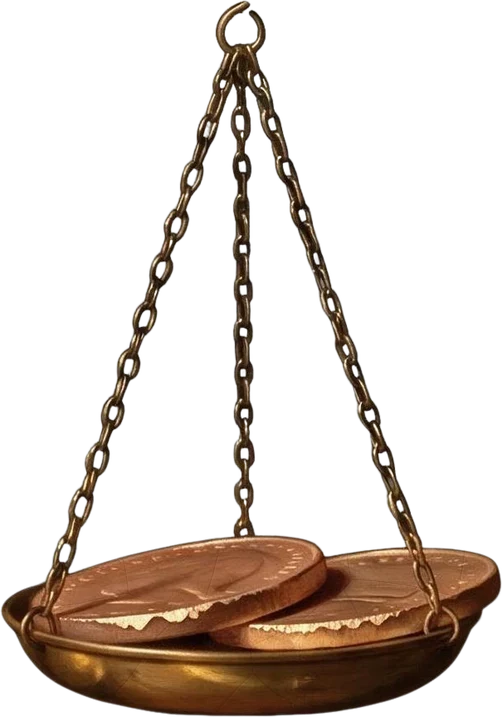
We've been lied to.
The coins were shaved. Rome's silver coin ended below five percent silver.
Every issuer found the same trick: keep the face value, lower the metal. Rome's silver coin ended below five percent silver, and prices told the truth the coin hid.
Then gold became paper.
The gold stayed in the vault. The paper was a promise.
Goldsmiths gave receipts for the metal they held, and the receipts circulated instead of the gold. The note was a claim on a vault you never saw.
But the promise broke.
August 1971. The window closed.
Governments came to swap their dollars back into gold. In August 1971 the window closed, and since then every currency floats on trust alone.
Now it's only trust.
So who do we trust?
Nothing stands behind the note in your hand but an institution's word. Money became a question of who you believe, and who you have no choice but to believe.
Banks print it.
They create the money they lend. Prices rise.
Banks do not lend the savings they hold: they write new money when they lend. More money against the same goods is how prices climb.
And they decide.
The rules are theirs. Your account is not.
The ledger that records your money can also freeze it. Limits, curfews and refusals are decided by people you did not elect, and applied without appeal.
Unless no one decides.
Bitcoin. A ledger that belongs to no one. Twenty-one million.
Bitcoin swaps the institution for a rule anyone can check: one public ledger, twenty-one million units, and nobody at the switch.
Money is
a technology.
Someone always tries to dilute it.Someone always fights for it.
Shells, coins, notes, ledgers: each version was chosen for what it did better, then abused by whoever could issue it. Bitcoin is the newest version, and the first one nobody can dilute: the most advanced money we have ever had.